Post
Waterproof Rain Jacket
Jun
When the skies open up and rain begins to pour, having the right gear can mean the difference between a miserable experience and a comfortable one. A waterproof rain jacket is perhaps the most essential piece of rain protection clothing you can own. Whether you’re commuting to work, hiking a mountain trail, or simply running errands on a stormy day, a quality waterproof rain jacket keeps you dry, warm, and protected from the elements. With so many options on the market, understanding what makes a great rain jacket can help you make a smart investment that lasts for years.
Key Features & Benefits of a Waterproof Rain Jacket
Advanced Waterproofing Technology
Modern waterproof rain jackets are engineered with cutting-edge fabrics and coatings that create an impenetrable barrier against water. Most high-quality jackets use materials rated by their hydrostatic head — a measure of how much water pressure the fabric can withstand before leaking. A jacket rated at 10,000mm or higher is considered genuinely waterproof for heavy rain conditions. Many also feature a Durable Water Repellent (DWR) coating on the outer shell that causes water to bead up and roll off rather than soak in. This combination of sealed seams, waterproof membranes, and DWR treatment ensures you stay completely dry even in the heaviest downpours.
Breathability for Active Use
One common complaint about older rain jackets was that while they kept rain out, they also trapped sweat and heat inside, making wearers feel clammy and uncomfortable. Today’s best waterproof rain jackets solve this problem with breathable membranes such as Gore-Tex, eVent, or proprietary equivalents. These microscopic membranes allow water vapor — your body’s perspiration — to escape while still blocking liquid water from entering. This breathability is measured in grams per square meter per 24 hours (g/m²/24h), and a rating of 10,000 or above is ideal for high-output activities like hiking or cycling in the rain.
Packability and Lightweight Design
A rain jacket you leave at home because it’s too bulky is no rain jacket at all. That’s why modern waterproof rain jackets are designed to be lightweight and packable, often folding down into their own pocket or a compact stuff sack. Ultralight options can weigh as little as 150 grams, making them easy to carry in a backpack, handbag, or even a large coat pocket. This portability means you’re always prepared for unexpected weather, whether you’re traveling, commuting, or exploring the outdoors.
Practical Design Features
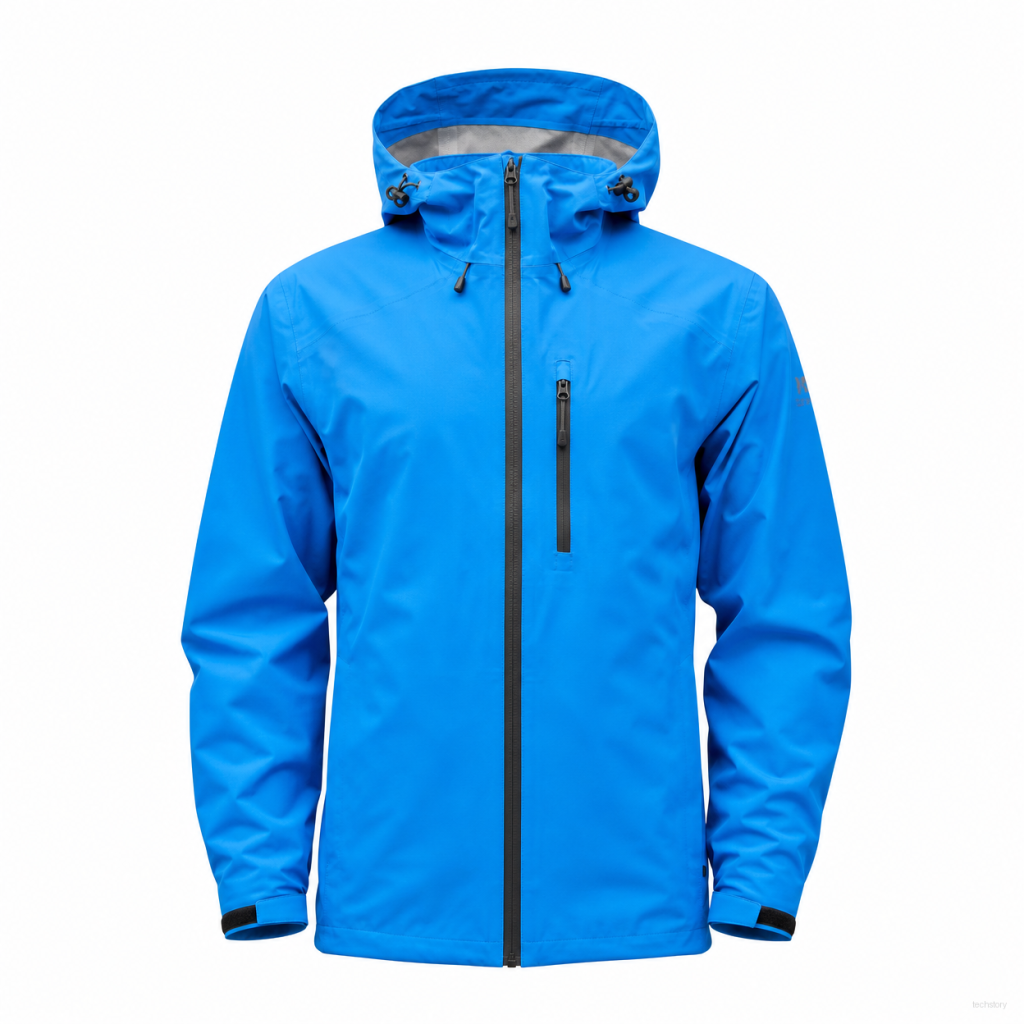
Beyond waterproofing, a great rain jacket includes thoughtful design details that enhance usability. Adjustable hoods that can be cinched tightly or stowed away, underarm vents (pit zips) for additional airflow, multiple waterproof pockets for secure storage, and Velcro or elastic cuffs that seal against the wrist all contribute to a jacket that performs as well in real-world conditions as it does on paper. Reflective elements add safety for early morning or evening use, while longer back hems provide extra coverage when bending or cycling.
How to Choose the Right Waterproof Rain Jacket
Selecting the perfect waterproof rain jacket requires considering several factors. First, think about your primary use case — are you mainly commuting, hiking, cycling, or looking for an all-purpose option? Activity level matters because higher-intensity use demands better breathability ratings. Next, consider the climate where you live; heavy rain regions call for higher waterproof ratings, while lighter rain areas may only need a simpler shell.
Budget is another consideration: entry-level jackets offer solid protection, while premium options provide superior durability and performance. Also check the fit — a jacket should allow free movement without being overly baggy, and should fit comfortably over mid-layers for colder conditions. Finally, look for features that match your lifestyle, such as helmet-compatible hoods for cyclists or extra pockets for hikers who carry gear.
How to Use and Care for Your Waterproof Rain Jacket
Getting the most out of your waterproof rain jacket means taking proper care of it. After use in heavy rain, hang it to dry naturally rather than using a dryer, unless the care label specifically allows machine drying. Wash the jacket regularly according to the manufacturer’s instructions — typically a gentle machine wash with a technical fabric cleaner — to prevent oils and dirt from clogging the breathable membrane. Over time, the DWR coating will wear off and water will start to “wet out” on the surface rather than beading. When this happens, reapply a DWR spray or wash-in treatment after cleaning to restore water repellency. Store the jacket loosely rather than compressed to maintain the integrity of the waterproof membrane.
Who Should Buy a Waterproof Rain Jacket
A waterproof rain jacket is an excellent investment for almost anyone, but it’s especially valuable for outdoor enthusiasts, hikers, trail runners, cyclists, and commuters who spend significant time outside regardless of weather. Travelers who visit destinations with unpredictable climates will also find a packable rain jacket indispensable. Parents who spend time at outdoor events with children, festival-goers, and anyone who lives in a rainy region should consider a quality rain jacket a wardrobe essential rather than an optional luxury. Even casual walkers who just want to be prepared for sudden showers will benefit from having a reliable waterproof jacket on hand.
Conclusion
A waterproof rain jacket is one of the smartest investments you can make for your comfort and well-being on rainy days. With the right jacket, you don’t have to dread bad weather — you can face it confidently. From advanced waterproofing technologies to lightweight, packable designs, today’s options offer something for every budget and lifestyle. Don’t let the rain slow you down. Browse our selection of top-rated waterproof rain jackets today and find the perfect fit for your needs.
Building Your Complete Rain Protection System
The most effective approach to staying dry in wet weather involves building a complete, coordinated rain protection system rather than relying on any single item alone. Once you have a quality product for this category of protection, consider how it complements and integrates with your other rain gear. Layering principles apply to rain protection just as they do to thermal insulation — the right combination of products covering different aspects of protection delivers a sum greater than its individual parts.
Consider your typical exposure scenarios: a daily commuter faces different rain challenges than a weekend hiker or an outdoor festival-goer. The commuter needs quick-deploy, highly packable solutions that work with office attire; the hiker needs technical performance and durability over extended periods in the field; the festival-goer prioritizes coverage and ease of use in a social setting. Understanding which scenario most closely matches your life helps you prioritize which additional rain protection products to add to your kit first and which features matter most in each purchase.
It’s also worth considering the full range of conditions you might encounter, not just the typical ones. Having gear rated for conditions slightly beyond your usual experience provides a useful safety margin — a jacket or protective product rated for heavier rain than you normally face will perform more reliably in your typical conditions and still protect you when an unusually severe storm arrives unexpectedly. This safety margin approach to gear selection is a cornerstone of experienced outdoor adventurers’ kit philosophy.
Finally, regular practice and familiarity with your rain protection gear pays real dividends when conditions deteriorate quickly. Take time to practice deploying, adjusting, and packing your rain gear in calm, dry conditions so that when a storm arrives you can act quickly and efficiently without fumbling. The best rain gear in the world provides little protection if you’re still struggling to figure out how it works while standing in a downpour.
