
Post
Packable Rain Cape
Jun
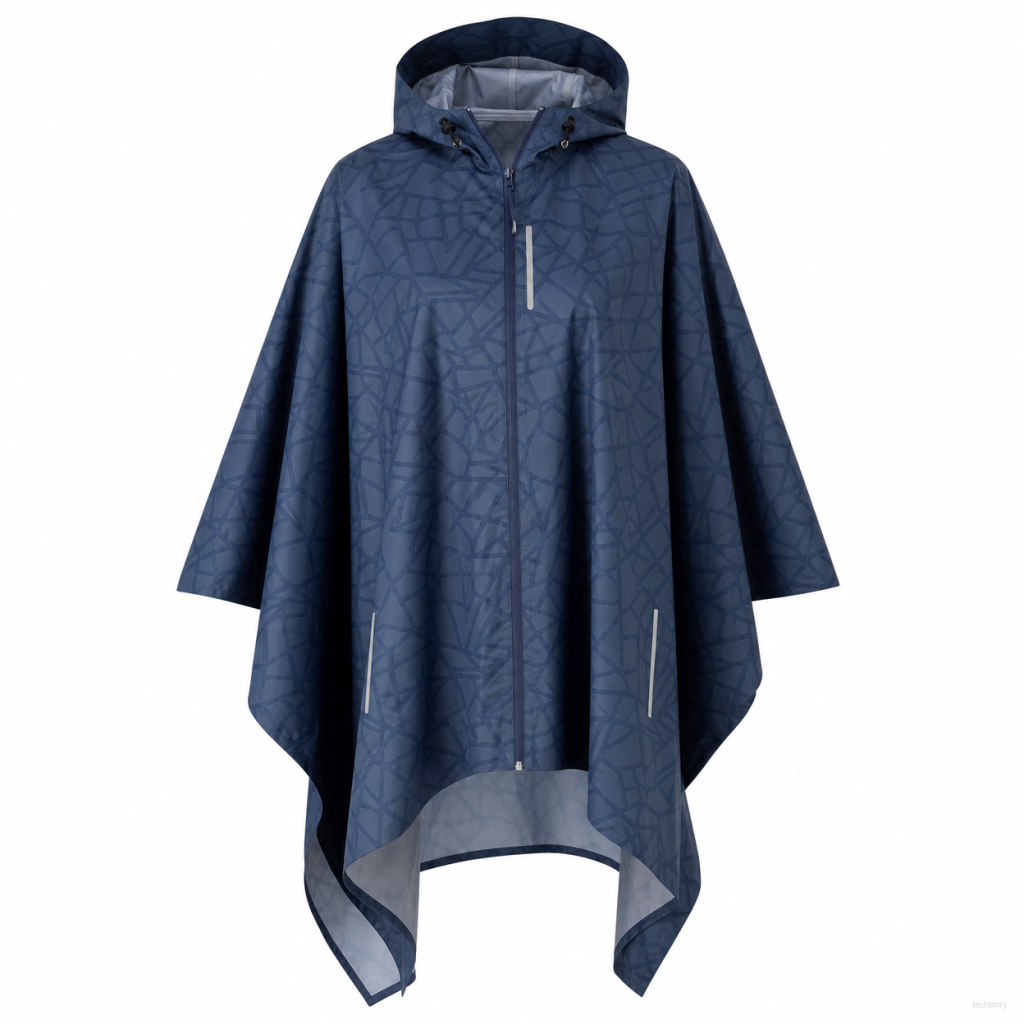
Elegant in its simplicity and brilliantly practical, the packable rain cape offers a unique approach to rain protection that stands apart from conventional jackets and ponchos. Featuring a flowing, cape-style design that drapes over the shoulders and upper body, a packable rain cape provides coverage while maintaining exceptional breathability and a distinctive, stylish appearance. When not in use, it compresses into a tiny pack that fits easily in a handbag or daypack. For fashion-conscious urbanites and practical outdoor enthusiasts alike, the packable rain cape is a versatile and charming solution to wet weather.
Key Features & Benefits of a Packable Rain Cape
Stylish Design with Rain Protection
The rain cape’s flowing silhouette sets it apart from the more utilitarian appearance of traditional rain jackets and ponchos. Many rain capes feature fashionable cuts, elegant details like press-stud closures, and are available in a wide range of colors and patterns that complement everyday outfits. This makes a rain cape a genuinely wearable garment in urban settings — you can throw it over a dress, skirt, or tailored trousers without the bulky, athletic look of a standard rain jacket. For those who value personal style even in adverse weather, a packable rain cape is an ideal solution.
Superior Breathability and Air Circulation
Because a rain cape is not a sealed garment — it drapes rather than being zippered or buttoned closed — it naturally allows significantly more air circulation than conventional rain jackets. This makes rain capes exceptionally comfortable in warm, humid conditions where a sealed jacket would quickly become stifling. The cape’s open sides and loose fit allow breezes to pass through, keeping you cool while the fabric above still deflects rain from your shoulders, arms, and upper body. For users in temperate climates or those who run warm, this breathability advantage is a significant benefit.
Ultra-Compact Packing
Packable rain capes are among the most compact rain protection options available. Many fold or roll into a tiny pouch smaller than a paperback book, making them ideal for tucking into a handbag, tote, or the outer pocket of a backpack. This extreme portability means a rain cape can always be with you without taking up significant space or adding noticeable weight to your everyday carry. It’s the kind of gear you can forget you’re carrying until the moment you need it — and then be enormously glad it’s there.
Easy and Quick to Use
Deploying a rain cape takes mere seconds: unpack it, pull it over your head, and you’re immediately protected from rain on your upper body. There are no zippers to close, no buckles to fasten, and no complicated adjustments to make while standing in the rain. This simplicity is a genuine advantage in sudden weather situations where speed matters. For users with limited mobility or dexterity, the lack of complex closures also makes a rain cape significantly easier to use than a conventional rain jacket.
How to Choose the Right Packable Rain Cape
When selecting a packable rain cape, consider both the aesthetic and functional elements. Look for capes made from genuinely waterproof fabric — not just water-resistant — with taped or sealed seams at the hood attachment point for full protection in heavy rain. Check the cape’s coverage: it should extend well past your hips to protect your clothing beneath, and should be wide enough to cover your arms comfortably when extended. An adjustable hood with a drawstring or brim is important for keeping rain off your face.
Consider whether the cape includes any closure options at the front — press studs or ties at the sides can help prevent the cape from billowing in wind. Finally, pack size and weight matter if portability is a priority.
How to Use and Care for Your Packable Rain Cape
To get the best performance from your rain cape, use it in conditions appropriate for its design — it’s excellent for light to moderate rain and is best suited to situations where wind is not extreme, as the open sides can allow water in during strong gusts. After use, shake off excess water and hang the cape to air dry completely before repacking — packing it away damp can lead to mildew if left packed for extended periods. Hand wash or machine wash gently according to the care label, avoiding harsh detergents or fabric softeners that can damage the waterproof coating. Periodically apply a DWR spray to maintain water repellency.
Who Should Buy a Packable Rain Cape
Packable rain capes are particularly popular with urban commuters and city dwellers who want fashionable rain protection that doesn’t compromise their personal style. Travelers who want a lightweight backup rain option without the bulk of a jacket will find them ideal. Cyclists and e-scooter riders can benefit from the cape’s coverage and ventilation during warm, wet commutes. Festival-goers and event attendees who want protection from unexpected rain showers while maintaining a stylish look will also appreciate a rain cape. For anyone who values aesthetics alongside practicality in their rain gear, a packable rain cape is a compelling choice.
Conclusion
The packable rain cape proves that functional rain protection and personal style don’t have to be mutually exclusive. Compact, chic, breathable, and genuinely effective at keeping rain off your upper body, a quality rain cape is a delightful alternative to conventional rain gear for those who want something a little different. Explore our collection of packable rain capes today and discover a rain protection solution that’s as elegant as it is practical.
Building Your Complete Rain Protection System
The most effective approach to staying dry in wet weather involves building a complete, coordinated rain protection system rather than relying on any single item alone. Once you have a quality product for this category of protection, consider how it complements and integrates with your other rain gear. Layering principles apply to rain protection just as they do to thermal insulation — the right combination of products covering different aspects of protection delivers a sum greater than its individual parts.
Consider your typical exposure scenarios: a daily commuter faces different rain challenges than a weekend hiker or an outdoor festival-goer. The commuter needs quick-deploy, highly packable solutions that work with office attire; the hiker needs technical performance and durability over extended periods in the field; the festival-goer prioritizes coverage and ease of use in a social setting. Understanding which scenario most closely matches your life helps you prioritize which additional rain protection products to add to your kit first and which features matter most in each purchase.
It’s also worth considering the full range of conditions you might encounter, not just the typical ones. Having gear rated for conditions slightly beyond your usual experience provides a useful safety margin — a jacket or protective product rated for heavier rain than you normally face will perform more reliably in your typical conditions and still protect you when an unusually severe storm arrives unexpectedly. This safety margin approach to gear selection is a cornerstone of experienced outdoor adventurers’ kit philosophy.
Finally, regular practice and familiarity with your rain protection gear pays real dividends when conditions deteriorate quickly. Take time to practice deploying, adjusting, and packing your rain gear in calm, dry conditions so that when a storm arrives you can act quickly and efficiently without fumbling. The best rain gear in the world provides little protection if you’re still struggling to figure out how it works while standing in a downpour.
