
Post
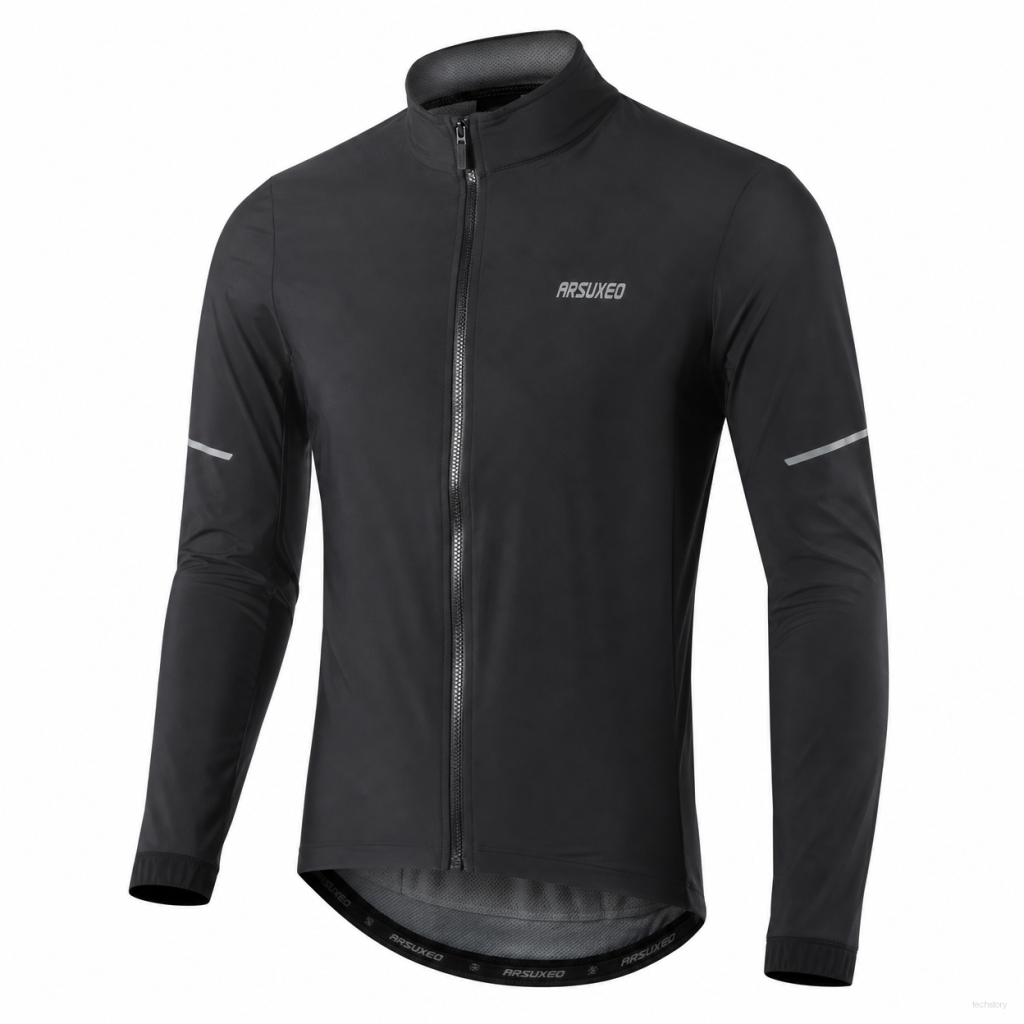
Waterproof Cycling Jacket
Jun
Cycling in the rain is an experience that can range from mildly uncomfortable to genuinely miserable — unless you’re wearing the right gear. A waterproof cycling jacket is purpose-built to keep riders dry, comfortable, and safe in wet conditions, featuring design elements that address the specific demands of cycling rather than simply adapting a general-purpose rain jacket. From extended rear coverage to high-visibility features and breathable fabrics that handle the heat generated by pedaling, a quality waterproof cycling jacket transforms wet rides from ordeals into perfectly manageable, even enjoyable experiences.
Key Features & Benefits of a Waterproof Cycling Jacket
Cycling-Specific Fit and Cut
The most important distinction between a waterproof cycling jacket and a standard rain jacket is the cut. Cycling jackets are designed to be worn in the aerodynamic, forward-leaning cycling position — they feature shorter fronts, longer backs to cover the lower back and seat when bent over the handlebars, and articulated sleeves that don’t restrict arm movement during pedaling. This cycling-specific cut means the jacket stays in place during intense riding rather than riding up or bunching uncomfortably. A well-fitted cycling jacket should feel snug (but not restrictive) in the riding position and should extend well below the jersey at the back to prevent rain and cold air from entering at the waist.
High Breathability for Active Riding
Cycling is a high-output activity that generates significant body heat, and a cycling jacket that traps this heat creates an uncomfortable, sweat-soaked experience even when it successfully blocks rain. Quality waterproof cycling jackets prioritize breathability, using advanced waterproof-breathable membranes that allow perspiration vapor to escape while blocking liquid rain from entering. Many also feature strategically placed mesh panels, underarm vents, or full-length underarm zippers that can be opened to dump heat during climbs or high-intensity efforts and closed again during descents or in heavy rain. This thermal management capability is critical for comfortable all-weather cycling.
Visibility and Safety Features
Rain significantly reduces visibility on the road, making it more important than ever for cyclists to be seen by motorists. The best waterproof cycling jackets incorporate reflective elements — panels, logos, piping, or dedicated reflective strips — that catch headlights and make the rider visible from a distance in low-light, rainy conditions. Some jackets feature integrated lights or light attachment points for additional active visibility. Bright colorways like yellow, orange, and neon green are also common in cycling-specific rain jackets, further enhancing daytime visibility in poor weather. Never underestimate how much these visibility features contribute to rider safety.
Packability for Variable Weather Rides
Weather during a long ride can change multiple times, which makes packability a key feature in a waterproof cycling jacket. Many models fold compactly into a back jersey pocket or small stuff sack, allowing riders to stow the jacket during dry sections and deploy it quickly when rain begins. This packability is typically achieved by using lightweight, thin fabrics that compress well without losing their waterproofing properties. A packable cycling jacket gives riders the freedom to react to changing conditions rather than committing to wearing the jacket for an entire ride regardless of weather.
How to Choose the Right Waterproof Cycling Jacket
Consider your riding style and typical conditions first. For commuting in urban traffic, visibility features and packability are most important. For long-distance or sportive riding, breathability and a precise fit are paramount. For mountain biking, look for added durability and freedom of movement. Check waterproof ratings — a jacket rated at 10,000mm or above handles sustained heavy rain, while lighter-rated jackets are better for showery conditions. Fit is crucial: try the jacket in a riding position before purchase, checking that the back hem provides good coverage and the sleeves don’t ride up. Also consider compatibility with your other cycling kit — the jacket should layer comfortably over a jersey and base layer.
How to Use and Care for Your Waterproof Cycling Jacket
After wet rides, hang the jacket to dry rather than leaving it crumpled in a bag — damp, confined conditions can promote odor and degrade fabric. Wash regularly as directed, using a technical fabric cleaner and a gentle machine cycle. Reactivate the DWR coating by tumble drying on low heat or using a DWR spray after washing. Zip all zippers and close all fasteners before washing to protect both the jacket and the washing machine. Inspect reflective elements and any bonded seams periodically for signs of wear, and address any delamination promptly to maintain waterproofing integrity.
Who Should Buy a Waterproof Cycling Jacket
Any cyclist who rides regularly in variable weather conditions should own a waterproof cycling jacket — from daily commuters to weekend recreational riders and competitive racers. Cyclists in rainy climates will find a good cycling jacket almost essential for maintaining a consistent training schedule. Even riders who prefer to avoid rain will benefit from keeping a packable waterproof jacket in their back pocket or saddle bag as insurance against unexpected showers. Mountain bikers tackling technical terrain in wet conditions will also appreciate the additional comfort and grip confidence that comes from not being soaked through.
Conclusion
A waterproof cycling jacket is one of the most impactful investments a cyclist can make for all-weather riding comfort and safety. By addressing the specific challenges of cycling in rain — breathability, fit, visibility, and packability — a purpose-built cycling rain jacket delivers an experience that no general-purpose rain jacket can match. Stop avoiding rainy rides and start embracing them. Explore our range of waterproof cycling jackets today and find your perfect all-weather riding companion.
Building Your Complete Rain Protection System
The most effective approach to staying dry in wet weather involves building a complete, coordinated rain protection system rather than relying on any single item alone. Once you have a quality product for this category of protection, consider how it complements and integrates with your other rain gear. Layering principles apply to rain protection just as they do to thermal insulation — the right combination of products covering different aspects of protection delivers a sum greater than its individual parts.
Consider your typical exposure scenarios: a daily commuter faces different rain challenges than a weekend hiker or an outdoor festival-goer. The commuter needs quick-deploy, highly packable solutions that work with office attire; the hiker needs technical performance and durability over extended periods in the field; the festival-goer prioritizes coverage and ease of use in a social setting. Understanding which scenario most closely matches your life helps you prioritize which additional rain protection products to add to your kit first and which features matter most in each purchase.
It’s also worth considering the full range of conditions you might encounter, not just the typical ones. Having gear rated for conditions slightly beyond your usual experience provides a useful safety margin — a jacket or protective product rated for heavier rain than you normally face will perform more reliably in your typical conditions and still protect you when an unusually severe storm arrives unexpectedly. This safety margin approach to gear selection is a cornerstone of experienced outdoor adventurers’ kit philosophy.
Finally, regular practice and familiarity with your rain protection gear pays real dividends when conditions deteriorate quickly. Take time to practice deploying, adjusting, and packing your rain gear in calm, dry conditions so that when a storm arrives you can act quickly and efficiently without fumbling. The best rain gear in the world provides little protection if you’re still struggling to figure out how it works while standing in a downpour.
