
Post
Best Windproof Umbrellas That Won’t Break in a Storm
Jun
Few things are more frustrating than an umbrella that flips inside out the moment a gust hits. Finding the best windproof umbrella means understanding what makes a frame resilient and which features actually survive a storm. This guide explains how to buy one that lasts beyond a single bad day.
Why Cheap Umbrellas Fail
The classic umbrella design has changed little in principle, but cheap versions cut corners with brittle frames and thin canopies. When wind catches the canopy, weak ribs bend and snap, or the whole thing inverts. Investing a little more in a properly engineered frame saves you from buying replacement after replacement.
Vented Canopy Designs
Many windproof umbrellas use a double-canopy or vented design. The upper layer has openings that let gusts pass through rather than lifting the whole canopy. This simple idea dramatically reduces the force the wind exerts, keeping the umbrella stable and right-side-out even in blustery conditions.
Frame Materials Matter
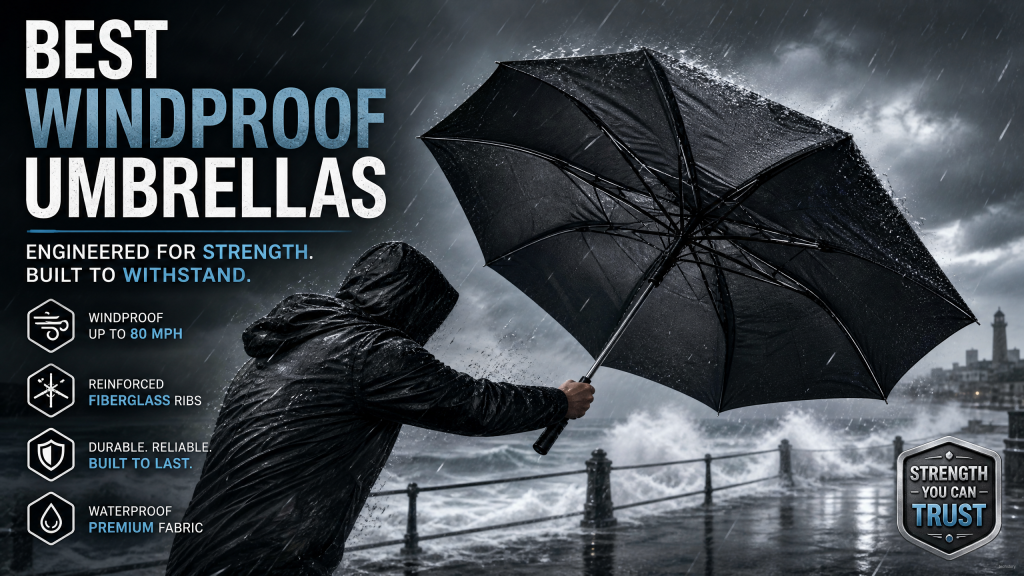
Fibreglass ribs flex under pressure and spring back instead of snapping, making them far more storm-resistant than cheap steel. A frame with more ribs distributes stress better and resists inversion. Look for sturdy fibreglass or reinforced ribs, and a robust central shaft that does not wobble or bend under load.
Size and Coverage
A larger canopy covers you better but catches more wind, so there is a trade-off. Compact umbrellas are easier to carry and handle in gusts, while golf-sized canopies offer maximum coverage at the cost of stability. For everyday city use, a mid-sized windproof model balances protection and manageability nicely.
Auto Open and Close
Automatic mechanisms are convenient, especially when juggling bags, but they add parts that can fail. A well-built auto open-and-close umbrella is a joy to use; a cheap one jams quickly. If reliability matters most, a simple manual mechanism has fewer points of failure and often lasts longer.
Compact vs Full-Length
Compact folding umbrellas slip into a bag, perfect for unpredictable days. Full-length umbrellas tend to be sturdier and can double as a walking aid, but are harder to carry around. Choose based on whether portability or maximum durability matters more for your daily routine.
Canopy Material and Water Repellency
A tightly woven canopy with a good water-repellent coating sheds rain fast and dries quickly, so you are not carrying a soggy umbrella all day. Some premium canopies shake almost completely dry with a quick flick. This small detail makes a real difference to everyday convenience.
Choosing the Right One
For storm resistance, prioritise a vented canopy and fibreglass frame; for portability, choose a compact folding model; for maximum coverage, go large but accept more wind exposure. A quality windproof umbrella is a small investment that pays off every wet season. Explore durable umbrellas and other essentials in our shop to weather any storm.
Why Most Winfproof Umbrellas Fail in Wind
The familiar sight of a turned-out umbrella in a gust comes down to basic structure. Cheap umbrellas use thin, brittle ribs and a flat canopy that catches wind like a sail, so the moment a gust gets underneath, the frame inverts and often snaps. Windproof designs tackle this with flexible fibreglass ribs that bend and spring back, reinforced joints, and canopy shapes designed to let air escape rather than build up pressure. Understanding why ordinary umbrellas fail makes it obvious what to look for in one that survives a storm.
Vented and Double-Canopy Designs
One of the cleverest windproofing solutions is the double canopy, where the cover has layered vents that let gusts pass through instead of lifting the whole umbrella. This dramatically reduces the force trying to flip it inside out, while overlapping fabric still keeps you dry. Vented canopies have become the standard on serious storm umbrellas for good reason. If you regularly face blustery conditions, a vented design is one of the most effective upgrades you can choose, far more important than the price tag alone.
Compact Versus Full-Size in the Wind
There is always a trade-off between portability and stability. Large full-length umbrellas with sturdy frames handle wind best and shelter more of your body, but they are awkward to carry and store. Compact folding umbrellas slip into a bag but generally cope less well with strong gusts, though the best windproof compacts now perform admirably. Decide whether you value pocketability or maximum stability most, and be realistic that the tiniest travel umbrellas are happiest in light wind, not a gale.
Build Quality Details That Last
A truly durable umbrella reveals itself in the small details. A solid metal or fibreglass shaft, a comfortable non-slip handle, and a smooth, reliable opening mechanism all signal quality. Automatic open-and-close mechanisms are convenient but add parts that can fail, so simple sturdy designs sometimes outlast fancier ones. Check the rib count too, as more ribs spread the load and resist inversion better. Investing in solid construction means buying one good umbrella rather than replacing a string of broken cheap ones. The humble umbrella has evolved enormously to reach this level of engineering.
Frequently Asked Questions
Are expensive umbrellas really more windproof? Often yes, because they use better materials and vented canopies, but check the specific features rather than assuming price equals performance.
Can any umbrella survive a storm? No umbrella is indestructible, but a quality vented windproof model handles strong gusts far better than standard designs. Compare options in our shop.
How do I care for a windproof umbrella? Let it dry fully open before storing to prevent mildew and rust, and avoid forcing the mechanism when fabric is wet.
Choosing One That Lasts
A good windproof umbrella ends the cycle of buying and breaking cheap ones every stormy season. Look for flexible fibreglass ribs, a vented or double canopy that lets gusts pass through, and solid build quality in the shaft, handle, and mechanism. Decide honestly whether you prioritise a sturdy full-size model or a pocketable compact, accepting that the smallest umbrellas cope least well with real wind. Care for it by drying it open before storage, and a quality windproof umbrella will see you through years of bad weather. It is a small purchase that delivers daily, keeping you dry and unflustered while flimsier umbrellas turn inside out around you in the first proper gust.
