
Post
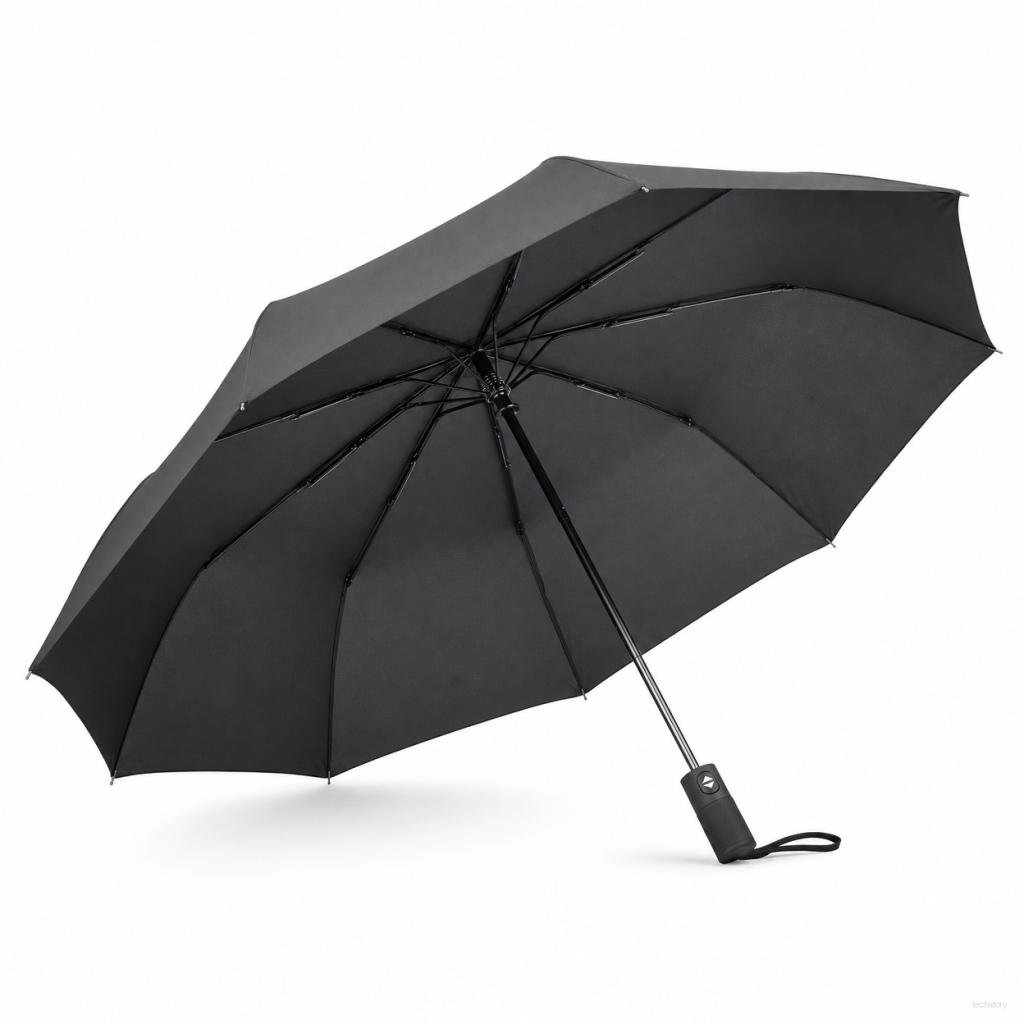
Automatic Folding Umbrella
Jun
For those who value convenience as much as protection, the automatic folding umbrella represents the pinnacle of modern umbrella engineering. With a single button press, this clever device opens to full coverage in under a second and, in many models, closes just as easily — making it the most user-friendly rain protection tool available. Compact enough to carry in a bag yet quick enough to deploy before a sudden shower drenches you, the automatic folding umbrella has become the preferred choice of commuters, travelers, and urban professionals worldwide.
Key Features & Benefits of an Automatic Folding Umbrella
One-Touch Open and Close Mechanism
The defining feature of an automatic folding umbrella is its spring-loaded mechanism that opens — and in automatic open/close models, also closes — the umbrella with a single button press. This hands-free convenience is enormously practical in situations where your hands are occupied: holding shopping bags, a coffee cup, a phone, or a briefcase. The instant deployment means you can have full rain coverage within a second of reaching for the umbrella, before a sudden shower has time to soak your clothing or belongings. Automatic close function further simplifies use by allowing the canopy to collapse safely without risk of bending ribs or pinching fingers.
Compact and Travel-Friendly Design
Despite its advanced mechanism, a quality automatic folding umbrella maintains a compact collapsed size comparable to manual folding models. Most open to a canopy diameter of 95–105 centimeters — sufficient to cover one person comfortably — while folding to a length of 25–32 centimeters. This compactness, combined with weights typically between 250 and 450 grams, makes the automatic folding umbrella genuinely portable for everyday carry. A fitted sleeve or case protects both the umbrella and your bag’s interior from drips when the umbrella is closed after rain.
Enhanced Durability and Wind Resistance
The mechanical demands of the automatic mechanism mean that quality automatic folding umbrellas must be built to higher standards of durability than basic manual models. Premium automatic umbrellas use reinforced fiberglass frames, strong metal shafts, and high-quality spring mechanisms rated for thousands of open/close cycles without failure. Wind-resistant rib designs and vented canopies — which allow air to pass through a small gap to prevent inversion — further enhance reliability in challenging conditions. These engineering features result in an umbrella that can withstand daily use and exposure to wind and rain for years.
Ergonomic Handles and Comfortable Carry
Because an automatic umbrella’s button is typically integrated into the handle, handle ergonomics are especially important. The best designs feature comfortable, rubberized or leather-wrapped handles that provide a secure grip even in wet hands, with the open/close button positioned naturally under the thumb for intuitive one-handed operation. Wrist straps on many models allow the umbrella to hang from the wrist when temporarily set aside, reducing the risk of loss. A well-designed handle transforms an automatic folding umbrella from a mere functional tool into a pleasure to use daily.
How to Choose the Right Automatic Folding Umbrella
When evaluating automatic folding umbrellas, the quality of the mechanism is paramount. Look for models from reputable brands with strong warranties — cheap mechanisms fail quickly, defeating the purpose of investing in an automatic model. Canopy size and material are important: larger canopies cover more but increase the pack size, and higher-quality fabrics like pongee shed water better than cheaper alternatives. Wind resistance rating is significant if you live in a windy area. Decide between automatic open only versus automatic open and close based on personal preference — auto open/close is more convenient but adds mechanical complexity. Finally, consider handle comfort and aesthetics, since you’ll be carrying and using this umbrella frequently.
How to Use and Care for Your Automatic Folding Umbrella
The mechanical components of an automatic folding umbrella require slightly more attention than those of a simple manual model. Always open the umbrella in a clear space away from people and objects that could be struck by the rapidly extending canopy.
After use, allow the umbrella to dry fully before closing and storing — close the canopy but leave the mechanism fully extended in a dry location until the fabric is dry, then fold and store. Clean the mechanism occasionally with a dry cloth to remove dust and debris, and apply a small amount of light machine oil to any metal moving parts if they begin to feel stiff. Store in the provided sleeve when not in use to protect both umbrella and bag contents.
Who Should Buy an Automatic Folding Umbrella
Anyone who regularly uses an umbrella will benefit from the convenience of an automatic model, but it’s particularly valuable for busy commuters who are often juggling multiple items. Professionals who need to move quickly between locations in variable weather will appreciate the instant deployment. Travelers who want one versatile umbrella that works effortlessly across different conditions should consider an automatic model. People with limited hand strength or dexterity who find manual umbrellas difficult to open and close will find an automatic model much more manageable. If you’ve ever been frustrated by fumbling with an umbrella during a sudden rain shower, the automatic folding umbrella is the solution you’ve been looking for.
Conclusion
The automatic folding umbrella perfectly marries convenience, portability, and reliable rain protection into a single, elegant tool. Its one-touch operation removes the frustration from umbrella use, turning rain protection into an effortless daily habit rather than a chore. Browse our collection of automatic folding umbrellas today and experience the difference that quality engineering and thoughtful design make to one of the world’s most essential everyday items.
Building Your Complete Rain Protection System
The most effective approach to staying dry in wet weather involves building a complete, coordinated rain protection system rather than relying on any single item alone. Once you have a quality product for this category of protection, consider how it complements and integrates with your other rain gear. Layering principles apply to rain protection just as they do to thermal insulation — the right combination of products covering different aspects of protection delivers a sum greater than its individual parts.
Consider your typical exposure scenarios: a daily commuter faces different rain challenges than a weekend hiker or an outdoor festival-goer. The commuter needs quick-deploy, highly packable solutions that work with office attire; the hiker needs technical performance and durability over extended periods in the field; the festival-goer prioritizes coverage and ease of use in a social setting. Understanding which scenario most closely matches your life helps you prioritize which additional rain protection products to add to your kit first and which features matter most in each purchase.
It’s also worth considering the full range of conditions you might encounter, not just the typical ones. Having gear rated for conditions slightly beyond your usual experience provides a useful safety margin — a jacket or protective product rated for heavier rain than you normally face will perform more reliably in your typical conditions and still protect you when an unusually severe storm arrives unexpectedly. This safety margin approach to gear selection is a cornerstone of experienced outdoor adventurers’ kit philosophy.
Finally, regular practice and familiarity with your rain protection gear pays real dividends when conditions deteriorate quickly. Take time to practice deploying, adjusting, and packing your rain gear in calm, dry conditions so that when a storm arrives you can act quickly and efficiently without fumbling. The best rain gear in the world provides little protection if you’re still struggling to figure out how it works while standing in a downpour.
