
Post
Compact Umbrella
Jun
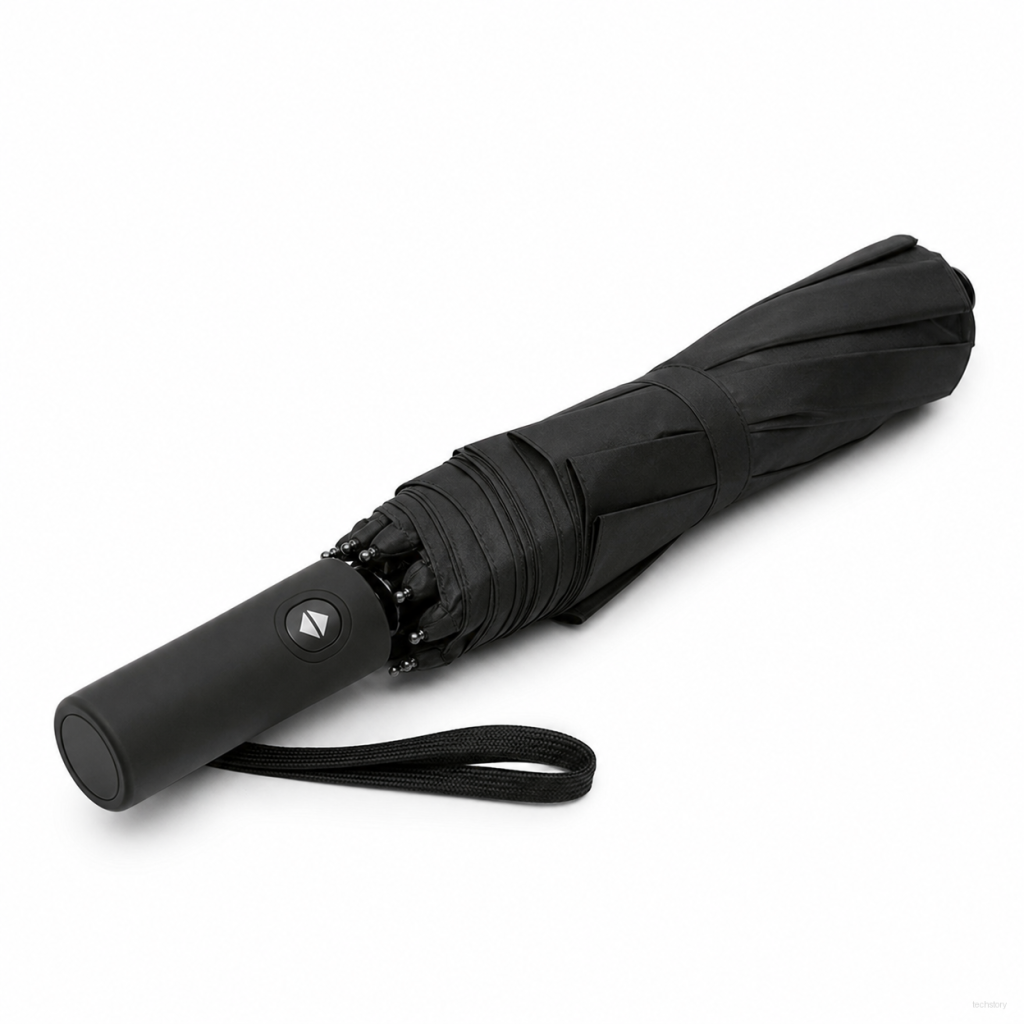
When it comes to rain protection, few items are as universally useful and immediately effective as a good umbrella. The compact umbrella takes the timeless practicality of the traditional umbrella and optimizes it for modern, on-the-go lifestyles — smaller, lighter, and more portable than full-sized models, yet still capable of providing generous coverage in rain and wind. Whether you’re commuting to work, traveling internationally, or simply running daily errands, a quality compact umbrella is one of the most practical everyday carry items you can own.
Key Features & Benefits of a Compact Umbrella
True Portability Without Sacrificing Coverage
The defining characteristic of a compact umbrella is its ability to provide meaningful rain coverage in a form factor small enough to fit in a bag or briefcase. When collapsed, a quality compact umbrella typically measures between 25 and 30 centimeters — small enough for a laptop bag side pocket, large handbag, or even a deep coat pocket. Despite this compact size, a well-designed model opens to a canopy of 95–105 centimeters in diameter, providing comfortable coverage for one person in most rain conditions. This combination of carry convenience and genuine coverage makes the compact umbrella a true everyday essential.
Durable Wind-Resistant Construction
Compact umbrellas face a common criticism: their smaller size and lighter frames make them more susceptible to inverting or breaking in windy conditions. However, quality compact umbrellas address this with fiberglass or reinforced frame components, flexible ribs that can bend and recover rather than snapping under wind stress, and wind-resistant canopy designs that channel air through vented panels. These engineering improvements have produced compact umbrellas capable of withstanding winds of 60–80 km/h without inverting — making them genuinely useful even on blustery days rather than just in calm rainfall.
Quality Waterproof Canopy Materials
The canopy fabric is what actually keeps you dry, and quality compact umbrellas use purpose-designed umbrella fabrics rather than generic materials. Pongee, a fine woven fabric, is commonly used in premium umbrellas for its combination of water-shedding properties, light weight, and resistance to tearing. Many canopies are treated with additional water-repellent coatings that cause rain to bead and slide off rather than soaking into the fabric. UV-protective coatings are also available on some models, making the umbrella useful as sun protection in hot climates — a feature particularly valued in Asia and tropical regions.
Comfortable and Ergonomic Handles
A comfortable, ergonomic handle significantly improves the experience of carrying and using an umbrella, particularly on long walks in sustained rain. Quality compact umbrellas feature handles in materials like rubberized grip, genuine leather, or high-quality synthetic materials that provide a secure hold even in wet hands. Handle shape matters too — a curved handle allows the umbrella to be hooked over a wrist or arm for hands-free carrying, while a straight grip handle suits those who prefer a different carrying style. Some handles include wrist straps for additional security in windy conditions.
How to Choose the Right Compact Umbrella
Start by considering how and where you’ll use your umbrella most. For daily commuting in a city, prioritize durability, wind resistance, and a truly compact collapsed size. For travel, consider weight and the canopy’s UV protection rating in addition to rain performance. Think about canopy size — a larger canopy provides better coverage but increases the collapsed size, while a smaller canopy packs more compactly but may leave your shoulders exposed. Frame material matters for durability: fiberglass frames outlast cheaper metal frames in wind stress tests. Finally, consider the opening mechanism — manual opening is reliable and simple, while automatic open/close models offer convenience at the cost of slightly more mechanical complexity.
How to Use and Care for Your Compact Umbrella
Extend the lifespan of your compact umbrella significantly with proper care. After each use in rain, open the umbrella fully and allow it to dry completely before closing and storing — storing a wet umbrella folded promotes rust on metal components and mildew on the canopy fabric. Shake off excess water vigorously before closing indoors. Clean the canopy periodically with a soft cloth and mild soap solution, rinse thoroughly, and dry fully. Check the frame periodically for bent or loose ribs, and address issues promptly before they worsen. Store the umbrella in its sleeve or a ventilated bag rather than in a sealed container that prevents drying.
Who Should Buy a Compact Umbrella
A compact umbrella is an ideal choice for commuters, office workers, shoppers, and urban dwellers who want always-available rain protection without the inconvenience of carrying a full-sized umbrella. Frequent travelers who pack light will appreciate the minimal space and weight impact of a compact model. Those who prefer not to wear a rain jacket or hat — whether for style or comfort reasons — will find a compact umbrella provides equivalent upper-body rain coverage. Essentially, anyone who wants reliable rain protection available at a moment’s notice should have a quality compact umbrella in their bag, briefcase, or car.
Conclusion
The compact umbrella may not be the most glamorous piece of rain gear, but it is arguably the most universally practical. Small enough to carry everywhere, effective enough to genuinely keep you dry, and durable enough to last for years with proper care, a quality compact umbrella is a timeless everyday essential. Browse our selection of compact umbrellas today and choose the model that best fits your lifestyle, needs, and personal style.
Building Your Complete Rain Protection System
The most effective approach to staying dry in wet weather involves building a complete, coordinated rain protection system rather than relying on any single item alone. Once you have a quality product for this category of protection, consider how it complements and integrates with your other rain gear. Layering principles apply to rain protection just as they do to thermal insulation — the right combination of products covering different aspects of protection delivers a sum greater than its individual parts.
Consider your typical exposure scenarios: a daily commuter faces different rain challenges than a weekend hiker or an outdoor festival-goer. The commuter needs quick-deploy, highly packable solutions that work with office attire; the hiker needs technical performance and durability over extended periods in the field; the festival-goer prioritizes coverage and ease of use in a social setting. Understanding which scenario most closely matches your life helps you prioritize which additional rain protection products to add to your kit first and which features matter most in each purchase.
It’s also worth considering the full range of conditions you might encounter, not just the typical ones. Having gear rated for conditions slightly beyond your usual experience provides a useful safety margin — a jacket or protective product rated for heavier rain than you normally face will perform more reliably in your typical conditions and still protect you when an unusually severe storm arrives unexpectedly. This safety margin approach to gear selection is a cornerstone of experienced outdoor adventurers’ kit philosophy.
Finally, regular practice and familiarity with your rain protection gear pays real dividends when conditions deteriorate quickly. Take time to practice deploying, adjusting, and packing your rain gear in calm, dry conditions so that when a storm arrives you can act quickly and efficiently without fumbling. The best rain gear in the world provides little protection if you’re still struggling to figure out how it works while standing in a downpour.
