
Post
Running in the Rain: What to Wear to Stay Dry and Warm
Jun
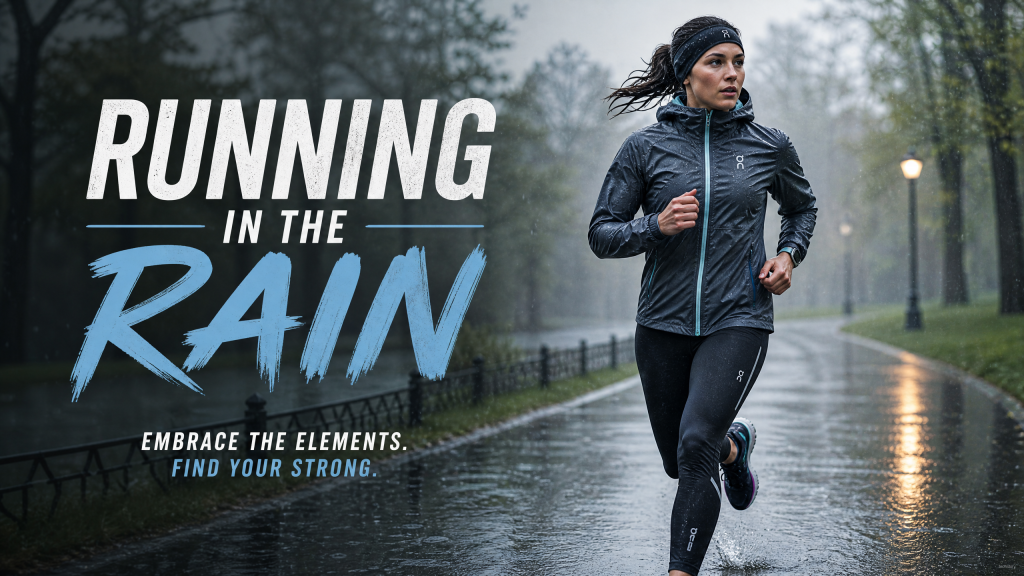
A little rain should never cancel a run. With the right running in the rain gear, wet weather becomes refreshing rather than miserable. The key is choosing pieces that keep rain out while letting the heat and sweat your body produces escape, so you stay comfortable from the first mile to the last.
Why Running Gear Is Different
Running in the rain generates intense heat and heavy perspiration, so a fully sealed raincoat would leave you drenched in sweat within minutes. Running jackets prioritise breathability and a light, non-restrictive fit. The aim is not to stay bone dry, but to stay warm and avoid the chilling effect of cold rain on hard-working muscles.
The Running Rain Jacket
Look for a lightweight, breathable jacket with a water-resistant or waterproof shell and good ventilation. A close, athletic cut reduces flapping, while features like a half-zip or pit vents help dump heat. For most runners, a highly breathable water-resistant jacket beats a heavy waterproof one, especially in milder rain.
Layering for Wet Runs
Start with a moisture-wicking base layer that pulls sweat away from your skin. Add a thin insulating layer in cold weather, then your rain shell on top. Avoid cotton, which holds water and chills you. This layering approach lets you adapt to temperature and rain intensity rather than relying on one garment.
Protecting Your Head and Hands
A running cap with a brim keeps rain out of your eyes, which is surprisingly important for comfort and pace. Lightweight gloves keep your hands warm in cold rain, since extremities lose heat fastest. These small accessories often make the biggest difference to how enjoyable a wet run feels.
Footwear and Wet Feet
Fully waterproof running in the rain shoes can trap sweat and feel heavy, so many runners prefer breathable shoes that drain and dry quickly instead. Merino or technical socks keep feet warm even when damp and reduce blister risk. Accepting slightly wet feet is often more comfortable than fighting to keep them perfectly dry.
Visibility in Gloomy Weather
Rainy runs are often dark, so bright colours and reflective detailing are essential, especially near roads. Many running jackets include reflective trims for exactly this reason. Being clearly visible to drivers is a non-negotiable safety priority whenever you train in poor light.
Managing Breathability
The biggest mistake is over-dressing. You warm up fast once running, so dress for a few minutes into the run rather than for standing still at the start. Breathable waterproof fabrics and good venting prevent the clammy overheating that ruins otherwise good runs.
Building Your Wet-Weather Kit
A breathable jacket, wicking base layer, cap, and the right socks form a complete kit that turns rainy training into something you might even look forward to. Build it piece by piece, starting with the jacket. Explore lightweight, breathable running-friendly gear in our shop and never skip a session because of the forecast again.
Why Breathability Beats Full Waterproofing
Runners face a counterintuitive truth: a completely waterproof jacket often leaves you wetter than the rain would. Hard running generates so much heat and sweat that a sealed shell traps moisture against your skin, leaving you clammy and overheated. For most running in rain, a highly breathable water-resistant layer that sheds light rain while letting sweat escape keeps you far more comfortable. Save the fully waterproof shell for slow, cold, or very wet conditions where staying warm matters more than dumping heat.
Fabric Choices Next to the Skin
What you wear under your jacket matters as much as the jacket itself. Cotton is the enemy in the rain, soaking up water and chafing as it clings. Technical synthetic or merino wool base layers wick moisture, dry quickly, and keep their warmth even when damp. A close-fitting wicking top reduces chafing and helps regulate your temperature. Getting the base layer right means that even if some running in the rain gets in, you stay comfortable and warm rather than weighed down by sodden fabric.
Protecting Your Extremities
Hands, head, and feet lose comfort fast in cold rain. A peaked cap keeps rain off your face and out of your eyes, dramatically improving visibility on a wet run. Lightweight gloves preserve dexterity and warmth, and can be tucked away once you heat up. For your feet, accept that they will likely get wet and focus on socks that wick and resist blisters rather than trying to keep water out entirely. Managing your extremities sensibly makes a wet run genuinely enjoyable.
Staying Visible and Safe
Rain usually comes with grey skies and poor light, so runners must work harder to be seen. Bright colours and reflective details on your jacket, shoes, and accessories help drivers spot you at junctions and crossings. If you run at dawn, dusk, or night, add a clip-on light or reflective band. Choosing routes with good footpaths and avoiding deep puddles that hide hazards rounds out your safety strategy. Looking good is secondary to being seen when visibility drops in the rain.
Frequently Asked Questions
Should I skip a run because of rain? Light to moderate rain is perfectly safe to run in with the right kit; only avoid runs in lightning, flooding, or dangerously icy conditions.
How do I stop chafing in wet conditions? Use anti-chafe balm, wear close-fitting technical fabrics, and avoid cotton. Find breathable running in the rain layers in our shop.
Will my shoes be ruined? Wet shoes are fine if dried properly afterwards; stuff running in the rain with paper and air-dry away from direct heat to preserve the cushioning.
Embracing the Wet Miles – Running in the Rain
Running in the rain can be genuinely enjoyable once you dress for it properly. Favour breathability over total waterproofing, build your kit on quick-drying technical fabrics rather than cotton, protect your extremities sensibly, and make sure you stay visible in the gloom. Accept that your feet will likely get wet and focus on comfort rather than impossible dryness. Get these basics right and a rainy run becomes refreshing and oddly invigorating instead of a soggy ordeal. Many runners come to relish wet weather, enjoying quiet routes and a sense of achievement while others stay indoors. With the correct clothing, you join them, keeping your training on track whatever the skies are doing overhead.
