Post
Reflective Rain Suit
Jun
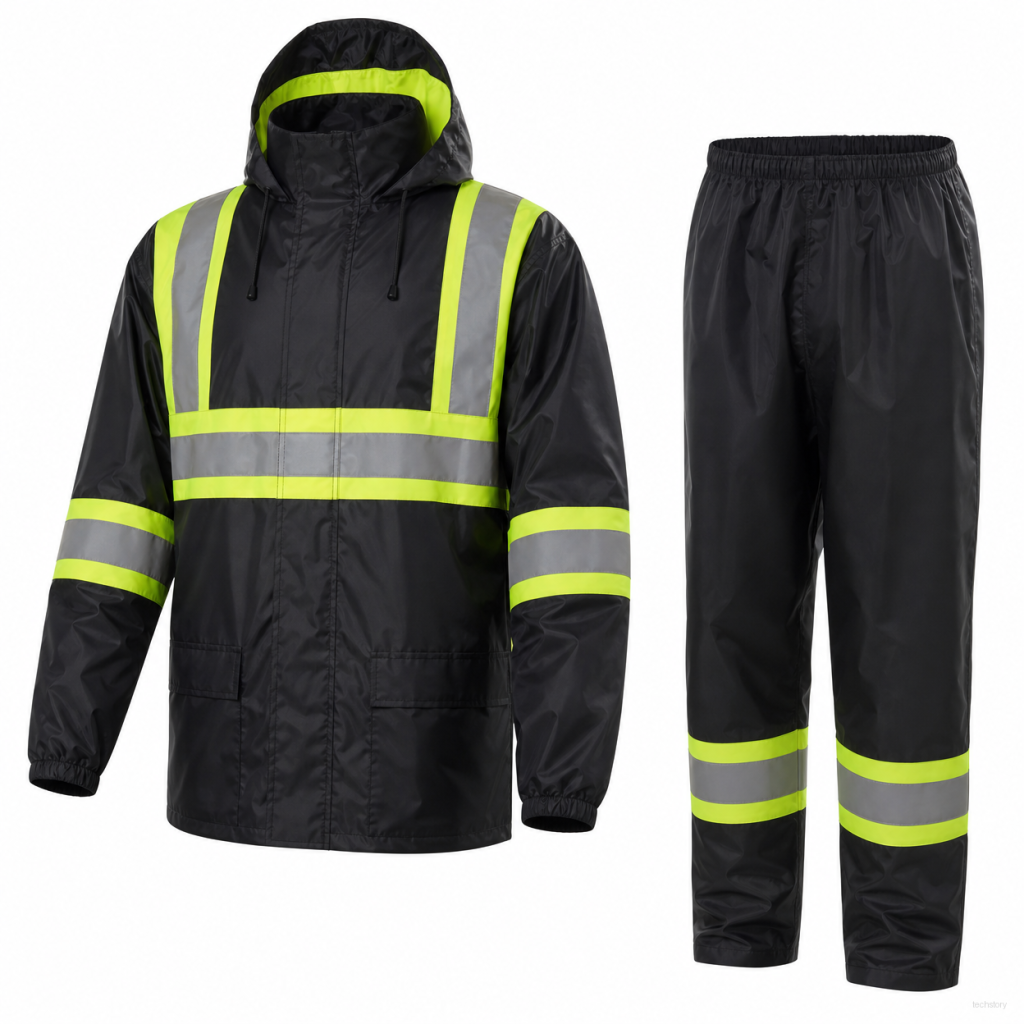
For those who work or spend time outdoors in low-light, high-traffic environments during wet weather, a reflective rain suit is not just a convenience — it’s a safety essential. Combining full-body waterproof protection with high-visibility reflective elements, a reflective rain suit keeps you dry while making you significantly more visible to drivers, cyclists, and machinery operators in rain, fog, and darkness. Whether you’re a road worker, cyclist, delivery driver, or outdoor professional, the right reflective rain suit can be a genuine lifesaver.
Key Features & Benefits of a Reflective Rain Suit
360-Degree High-Visibility Safety
The defining feature of a reflective rain suit is its high-visibility design. Most suits feature reflective tape or panels strategically placed on the jacket, trousers, and hood to ensure visibility from all directions — front, back, and sides. When headlights or work lights hit these reflective elements in darkness or low-light conditions, they shine brilliantly, alerting others to your presence from distances of 300 meters or more. Many professional-grade reflective rain suits are designed to comply with safety standards such as EN ISO 20471 (high-visibility clothing), making them suitable for use in regulated work environments including construction sites, roadwork zones, and logistics operations.
Complete Waterproof Protection
A reflective rain suit typically consists of a jacket and matching trousers that together provide head-to-toe waterproofing. Quality suits use fully waterproof fabrics with sealed or taped seams to prevent any water ingress, keeping the wearer completely dry even in sustained heavy rain. The jacket usually features a waterproof hood — often with a drawstring or adjustable brim — while the trousers include elasticated waists or adjustable braces for a secure fit over work clothing. Together, these components create a comprehensive rain barrier that allows you to continue working or moving comfortably regardless of the weather.
Durability for Demanding Environments
Unlike recreational rain gear, reflective rain suits are engineered to withstand the rigors of demanding work environments. Heavy-duty fabrics resistant to tears, abrasion, and punctures are common in professional-grade suits, along with reinforced knees and elbows in areas prone to wear. Quality zippers with storm flaps, strong snap buttons, and robust construction throughout ensure the suit holds up through repeated use, frequent washing, and exposure to rough conditions. This durability makes a good reflective rain suit a worthwhile investment that delivers reliable performance across years of regular use.
Comfort and Practicality for Long Wear
Spending hours in a rain suit means comfort matters as much as protection. The best reflective rain suits include breathable fabrics or ventilation panels to prevent excessive heat buildup, elasticated or adjustable components that allow free movement, and practical features like large waterproof pockets, hammer loops, and tool attachment points. Trouser leg openings with snaps or zippers make it easy to put the suit on over boots without removing footwear, and adjustable cuffs on both jacket and trousers help seal out rain and wind at the extremities.
How to Choose the Right Reflective Rain Suit
When selecting a reflective rain suit, begin by determining whether you need a professional-grade suit that meets specific safety standards or a general-use suit for recreational visibility. For professional or occupational use, check that the suit meets relevant high-visibility standards for your industry. Consider the level of waterproofing required — a fully sealed, taped-seam suit is ideal for sustained heavy rain, while a simpler coated fabric suit may suffice for lighter conditions. Fit is critical for both safety and comfort; the suit should fit over your regular work clothing without being so loose that it creates hazards, and trouser and sleeve lengths should be appropriate. Finally, consider practical features specific to your work, such as number and type of pockets, trouser closure style, and jacket length.
How to Use and Care for Your Reflective Rain Suit
To maintain both the waterproofing and reflective properties of your rain suit, follow care instructions carefully. Most suits can be machine washed on a gentle cycle with a mild liquid detergent — avoid bleach or fabric softener, which can damage waterproof coatings and reflective tape. Allow the suit to air dry or tumble dry on low heat as specified. Periodically inspect reflective tape for peeling or damage and replace it if visibility is compromised. Reapply DWR spray if water stops beading on the outer fabric. Store the suit loosely in a clean, dry location away from direct sunlight and sharp objects that could damage the fabric or reflective elements.
Who Should Buy a Reflective Rain Suit
Reflective rain suits are essential for road workers, construction crews, traffic wardens, and anyone working in environments with vehicle or machinery traffic in wet weather. Cyclists who commute or ride in low-light conditions will significantly improve their safety with a reflective rain suit. Delivery drivers, postal workers, and logistics professionals who work in all weathers will benefit from the combined waterproofing and visibility.
Runners and joggers who train in the early morning or evening in rainy conditions should also consider a reflective rain suit to ensure they remain visible to drivers. Essentially, if your outdoor activities or work involve rain and low visibility simultaneously, a reflective rain suit is a critical piece of safety equipment.
Conclusion
A reflective rain suit addresses two of the most important challenges faced by outdoor workers and active individuals in wet weather: staying dry and staying visible. With high-performance waterproofing, durable construction, and strategically placed reflective elements, a quality reflective rain suit is both a safety tool and a practical rain protection solution. Don’t compromise on visibility or weather protection when conditions demand both. Explore our range of reflective rain suits today and choose the model that best fits your safety requirements and working conditions.
Building Your Complete Rain Protection System
The most effective approach to staying dry in wet weather involves building a complete, coordinated rain protection system rather than relying on any single item alone. Once you have a quality product for this category of protection, consider how it complements and integrates with your other rain gear. Layering principles apply to rain protection just as they do to thermal insulation — the right combination of products covering different aspects of protection delivers a sum greater than its individual parts.
Consider your typical exposure scenarios: a daily commuter faces different rain challenges than a weekend hiker or an outdoor festival-goer. The commuter needs quick-deploy, highly packable solutions that work with office attire; the hiker needs technical performance and durability over extended periods in the field; the festival-goer prioritizes coverage and ease of use in a social setting. Understanding which scenario most closely matches your life helps you prioritize which additional rain protection products to add to your kit first and which features matter most in each purchase.
It’s also worth considering the full range of conditions you might encounter, not just the typical ones. Having gear rated for conditions slightly beyond your usual experience provides a useful safety margin — a jacket or protective product rated for heavier rain than you normally face will perform more reliably in your typical conditions and still protect you when an unusually severe storm arrives unexpectedly. This safety margin approach to gear selection is a cornerstone of experienced outdoor adventurers’ kit philosophy.
Finally, regular practice and familiarity with your rain protection gear pays real dividends when conditions deteriorate quickly. Take time to practice deploying, adjusting, and packing your rain gear in calm, dry conditions so that when a storm arrives you can act quickly and efficiently without fumbling. The best rain gear in the world provides little protection if you’re still struggling to figure out how it works while standing in a downpour.
